Gaming in Progress Retro Wavy Svg: A Versatile Digital Asset for Creative Workflows
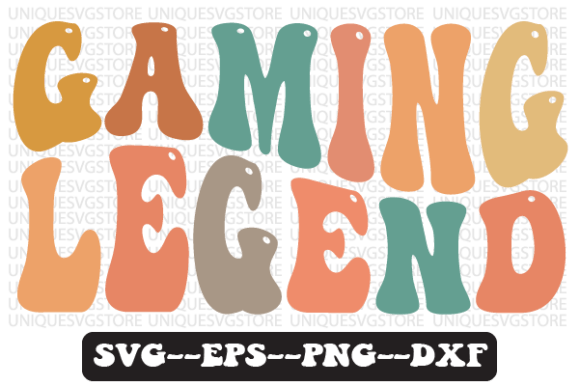
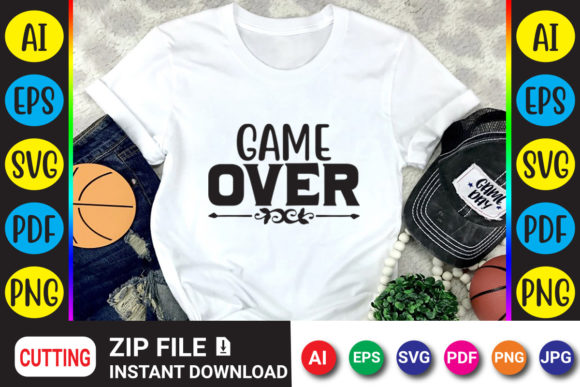
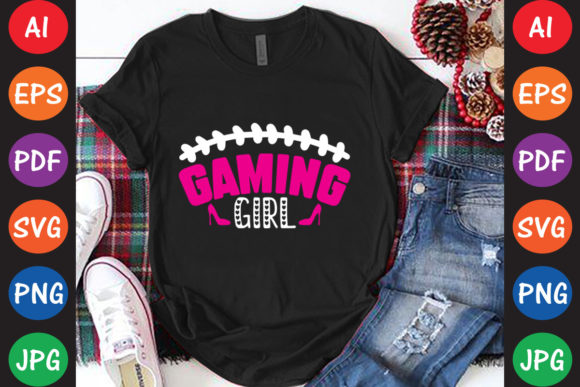
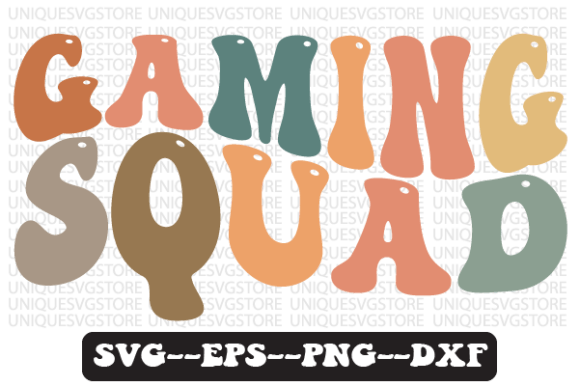
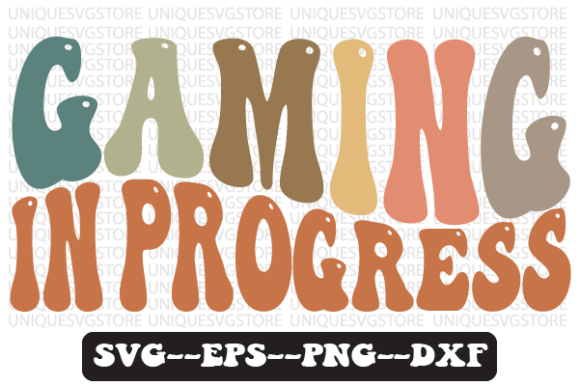
For creators working in the digital merchandise and personalization space, a single design file can be the cornerstone of numerous projects and revenue streams. The Gaming in Progress Retro Wavy Svg is precisely such an asset. It is not merely a graphic; it is a multi-format digital clip art bundle designed for direct integration into modern crafting and printing workflows. The core design, characterized by its nostalgic "retro wavy" typography and gaming-centric message, taps into a vibrant cultural aesthetic. However, its practical value is unlocked through the comprehensive file package: an SVG for scalable vector use, a PNG for raster-based applications, an EPS for professional print environments, and a DXF for precise cutting paths. These files are delivered in a compressed ZIP archive, requiring a simple extraction using standard tools like WinRAR or a direct double-click operation on most modern operating systems. This initial unpacking step is the first, critical action in a longer chain of creative implementation.
Integration into Product Creation and Manufacturing Processes
The true power of the Gaming in Progress Retro Wavy Svg bundle lies in its format compatibility, which allows it to slot seamlessly into established production processes. Each file type serves a distinct role in a workflow. The SVG file is the primary asset for use with cutting machines like Cricut or Silhouette. Its vector nature means every line and curve is defined by mathematical paths, not pixels, allowing for infinite scaling without quality loss. This is essential for vinyl decal creation, where the design might be cut at 3 inches for a laptop sticker or 12 inches for a wall decal. The clean vector paths ensure the cutting machine’s blade follows an exact route, resulting in crisp, professional edges on vinyl, cardstock, or heat-transfer material.
Meanwhile, the PNG file serves a complementary, yet vital, function. In workflows involving sublimation printing—a method where dye is transferred into polymers under heat and pressure—a high-resolution PNG is often the preferred format. When designing mock-ups in software like Photoshop or Canva, or when using certain print-on-demand platforms that accept raster images, the PNG provides a ready-to-use, transparent-background image. This allows creators to quickly visualize the Gaming in Progress design on a T-shirt template, mug, or pillow before committing to the physical print. The EPS file, a standard in professional graphic design and commercial printing, offers another layer of compatibility, ensuring the design can be opened and manipulated in advanced software like Adobe Illustrator for further customization or integration into larger layout projects, such for scrapbooking page layouts or invitation card designs.
Preparing and Organizing the Asset for Efficient Use
A smooth workflow begins with proper asset management. Upon extracting the ZIP file, a logical next step is to organize these files within a creator’s digital library. A common practice is to store them in a dedicated folder named, for instance, "Gaming Retro Bundle," alongside other similar design sets. This aids in future retrieval when a specific aesthetic is needed. Before initiating a project, it’s prudent to verify the file compatibility with your intended software and hardware. Open the SVG in your cutting machine software (Silhouette Studio, Cricut Design Space) to confirm the layers are recognized and the wavy text renders correctly. Similarly, open the PNG in your image editing software to check the resolution is sufficient for your print size—a key point for quality control.
For entrepreneurs and small business owners, this bundle supports a consistent brand or product line. You can use the same Gaming in Progress Retro Wavy Svg design across multiple product types: a DXF-cut vinyl decal for a customer’s car window, a sublimated PNG on a crewneck sweatshirt, and an SVG-engraved design on a wooden coaster via a laser cutter. This multiplies the utility of one purchase without requiring separate design work for each medium, enhancing efficiency and consistency across your product offerings.
Practical Implementation in Specific Crafting Workflows
Let’s examine a concrete workflow example for creating a custom T-shirt. A hobbyist or small business operator starts by selecting the substrate—a blank shirt compatible with their chosen transfer method. If using heat-transfer vinyl (HTV), they import the SVG file into their cutting machine software. They scale the design to the desired size, mirror the image (a crucial step for HTV application), and send the job to the cutter. After weeding the excess vinyl, they use a heat press to apply the design to the shirt. The entire process hinges on the SVG’s clean, cut-ready paths.
Alternatively, for a sublimation workflow on a mug, the operator would likely use the PNG file. They would place the design onto a mug template in their design software, adjust colors if needed (sublimation works wonderfully with vibrant designs), and print the image onto sublimation paper using a dedicated printer. Then, using a mug wrap and heat press, they transfer the design. The PNG’s transparency allows the "Gaming in Progress" text and its wavy background to become the sole graphic on the mug, without any unwanted white borders. This same PNG file could be repurposed later for a digital scrapbooking project, adding a gaming-themed element to a digital photo album page, demonstrating the asset’s long-term usability across different hobbies and professional pursuits.
Navigating Design Customization and Final Output Considerations
While the bundle provides ready-to-use files, it also allows for integration with other tools and resources for customization. The vector formats (SVG and EPS) can be opened in design software to alter colors, separate elements, or combine the wavy gaming text with other clip art elements from the creator’s library. For instance, you could integrate the design into a larger retro-themed gaming illustration for a custom poster. This interactivity with other digital assets is a significant advantage. It’s important, however, to respect the licensing terms of the design bundle; most commercial use licenses allow for modification and resale on physical products, but restrict the resale of the digital files themselves.
For those focused on print templates and card invitation design, the retro wavy aesthetic of this SVG bundle offers a distinctive graphic tone. The design can serve as a bold header or a decorative border for a gaming event invite, a tournament announcement poster, or a party decoration. By combining the EPS file with text layers in a page layout program, you can produce a cohesive, professionally printed piece. The key is to view the Gaming in Progress Retro Wavy Svg not as a final product, but as a high-quality component in a broader assembly process, one that interacts with your creativity, your other digital resources, and your physical manufacturing tools.
Long-Term Value and Workflow Integration
The decision to acquire a versatile design bundle like this is often part of a larger strategy to build a reusable digital asset library. Over time, a collection of such bundles—including gaming SVG quote bundles, illustration packs, and trendy design sets—creates a toolkit that can expedite project development. When a client requests a retro gaming-themed product, you have the core graphic ready. This reduces project lead times and increases your capacity to respond to market trends, such as the ongoing popularity of vintage and wavy design motifs in apparel.
In terms of preparation, ensuring you have the right complementary tools—a reliable heat press, a well-maintained cutting machine, quality blank products, and compatible software—is as important as having the design file itself. The Gaming in Progress Retro Wavy Svg is a catalyst, but the outcome depends on the entire system. For educators running crafting workshops or bloggers creating tutorial content, this bundle provides a perfect, real-world example to demonstrate the journey from a digital file to a physical, saleable product. It showcases the process-oriented bridge between digital art creation and tangible item manufacturing, a core concept for many in the maker community.
Ultimately, integrating such an asset into your routine is about recognizing its role at multiple stages: in the planning phase as a visual concept; in the execution phase as a software-compatible file; and in the finishing phase as a design applied to a final product. By understanding the specific uses of each file format—the SVG for cutting, the PNG for printing and digital compositing, the EPS for advanced design work, and the DXF for specialized cutting machines—you can streamline your operations, maintain quality, and expand your creative output efficiently. This practical, file-focused approach turns a single downloadable graphic into a sustainable resource for ongoing projects.